

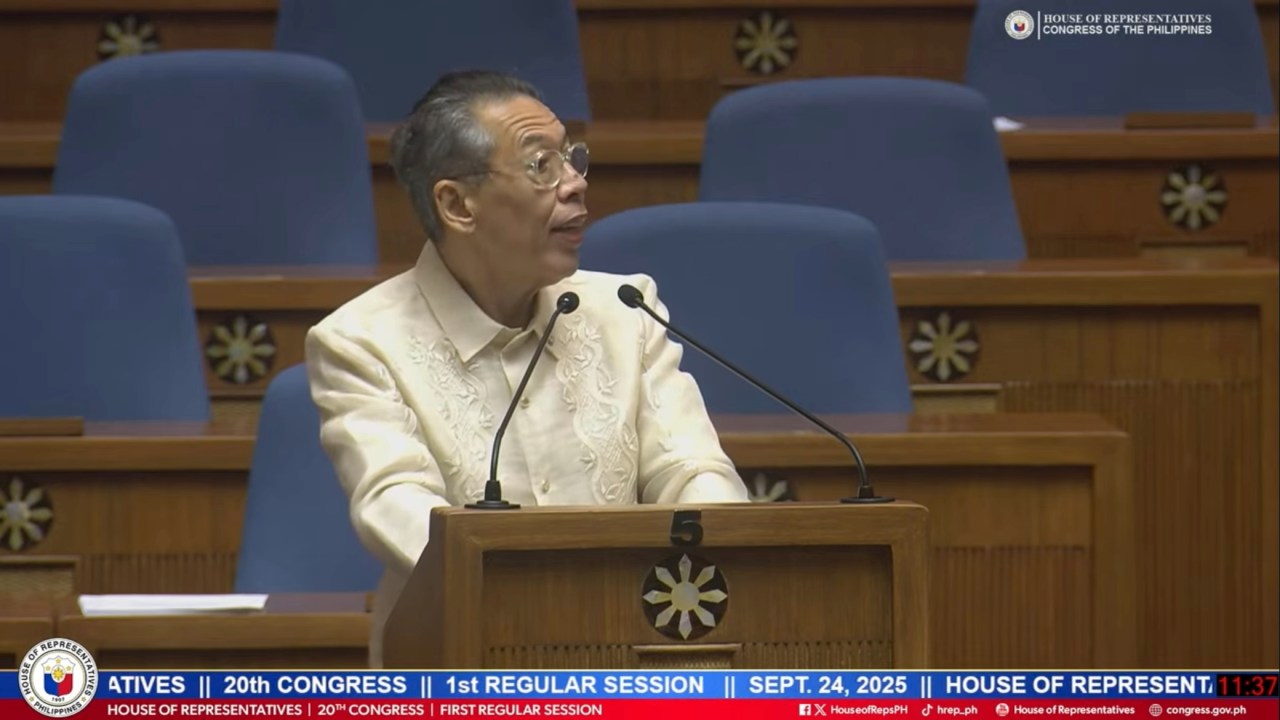
Akbayan Partylist Rep. Chel Diokno pressed the judiciary to hasten the resolution of cases involving graft and corruption, as he expressed full support for mechanisms that would fast-track accountability and ensure convictions are enforced.
During the plenary deliberations on the proposed 2026 budget for the judiciary, Diokno pressed Cagayan de Oro Rep. Rufus Rodriguez, sponsor of the judiciary’s budget, for updates on efforts to address long-standing delays in corruption cases.
“May I know what the courts, the judiciary…is planning as far as fast-tracking corruption cases? We know that this is now very much part of our national conversation and we want these cases to be resolved as quickly as possible,” Diokno said.
Diokno’s remarks come amid growing public outrage over anomalous infrastructure programs—particularly in flood control projects, involving allegations of overpricing, substandard implementation, and ghost projects. These issues have heightened calls for reform, especially in flood-prone areas that remain vulnerable despite repeated budget allocations for disaster mitigation.
“The longer a corruption case takes, the harder it is to hold the persons involved accountable. And we want to support, on the part of the Congress, any mechanisms that could be put in place to fast-track corruption cases,” he added.
Rodriguez, for his part, said the Sandiganbayan is now drafting new rules to shorten the trial for corruption cases to just 120 days.
“We’ll furnish our distinguished colleague once the Sandiganbayan promulgates the new rules, especially on the issues of corruption, on the flood control allegations that we have in the present time,” Rodriguez said.
In addition, Diokno urged the judiciary to establish a permanent database monitoring system involving different agencies to ensure that those convicted by final judgment actually serve their sentences.
“I am particularly concerned about corruption cases, again, because this involves the people’s money, and we want to make sure that there is real accountability and punishment for those involved,” Diokno said.
Rodriguez, for his part, informed Diokno that the judiciary has its Justice Sector Convergence Program, but its budget was trimmed down from the proposed P475 million to P175 million in the 2026 budget.
“They are requesting for the balance… to be restored so that there will be full monitoring and full reports of those who are convicted, especially in corruption cases, to be published and to be seen that they are indeed implemented,” Rodriguez told Diokno, who assured his support for the restoration of the program’s funding.
